Elsewhere on this website, we have recommended omega-3 fatty acids, especially eicosapentaenoic acid (EPA), for persons with various mental disorders. Fish oil or products derived from fish oil were the main sources that were recommended.
But what if the patient is vegetarian or vegan and, therefore, unable to take fish oil or any other marine oil?
Vegetarian and, more so, vegan, diets contain very little EPA and docosahexaenoic acid (DHA; Davis and Kris-Etherton, 2003).
So, these persons are even more in need of supplementation with EPA (and DHA).
What about alpha-linolenic acid (ALA) instead?
While flaxseed oil, chia seeds, etc., contain omega-3 fatty acids, the type that they contain is alpha-linolenic acid (ALA). For mental health, it is eicosapentaenoic acid (EPA) that is recommended. While ALA can be converted into EPA and DHA in the body, this process is slow and not efficient. Also, those who are elderly or have metabolic syndrome, diabetes, or hypertension have a reduced ability to convert ALA into EPA and DHA. So, flaxseed oil, chia seeds, etc., are not adequate alternatives to fish oil.
Vegan option: Algal Oil
Algae contain the omega-3 fatty acids EPA and DHA and oil from algae is an option for vegetarians/ vegans.
One downside is that their DHA content is greater than their EPA content. For mental health benefits, it is the EPA that is most important.
Here are some algal oil products, their omega-3 content, and where to buy them.
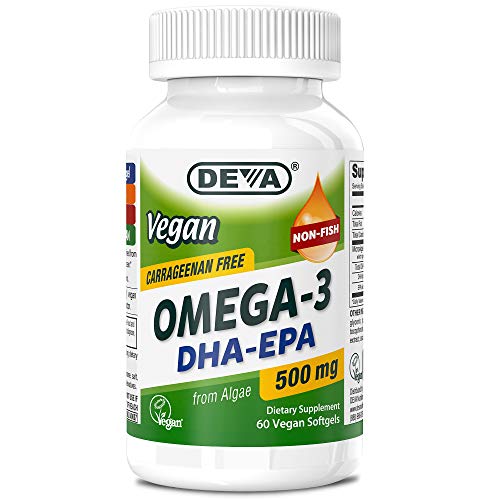
1. Deva Vegan Omega-3 DHA-EPA
Recommended as the top pick according to ConsumerLab.com
Each softgel contains DHA 195.6 mg and EPA 122.7 mg
More information at the Manufacturer’s website.
Available on Amazon.com at this link:
DEVA Vegan Omega-3 DHA-EPA 500MG – No Carrageenan, Non-Fish Oil Derived from Algae, Non-GMO, 60 Gelatin-Free Softgels
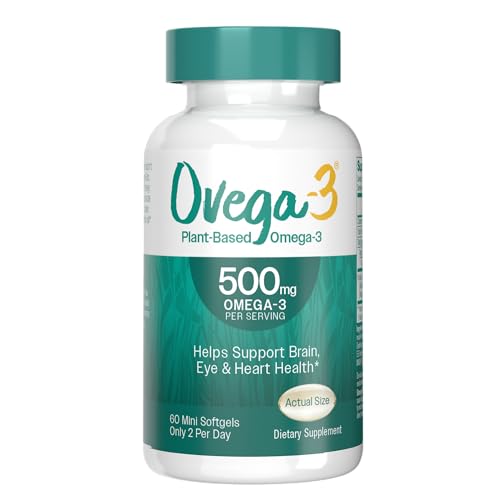
2. Ovega-3
Two mini softgels per serving contains DHA 280 mg and EPA 90 mg
More information at the Manufacturer’s website.
Available on Amazon.com at this link:
Ovega-3 Plant-Based Omega-3 from Algal Oil Daily Supplement, 500mg, Supports Brain, Eye & Heart Health, 60 Count
3. Vegan True Non-Fish Omega-3s by Source Naturals
Two softgels per serving contains DHA 360 mg and EPA 180 mg
More information at the Manufacturer’s website.
Available on Amazon.com at this link:
Source Naturals Vegan True, Non-Fish Omega-3s, EPA-DHA Supports Heart and Brain Health*, 300 mg – 30 Vegan Softgels

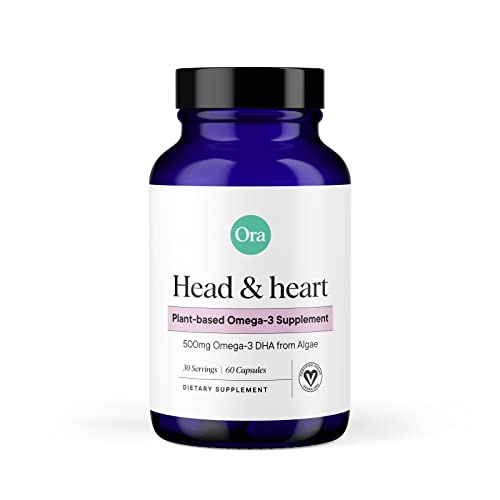
4. Nothing Fishy Here–Plant-Based Omega-3 by Ora
Two softgels per serving contains DHA 500 mg
More information at the Manufacturer’s website.
Available on Amazon.com at this link:
Ora Organic Vegan Omega 3 Supplement – 500mg DHA for Brain, Eye, and Heart Health – Made from Sustainable Algae – 60 Capsules
Disclosure: The links above are Amazon affiliate links that support us at no additional cost to the purchaser.
Note: This listing of products and sources is provided for general informational purposes only. It should not be construed as an endorsement of any product, manufacturer, or store.
Related Pages
Omega-3 Fatty Acids in Mental Health
Omega-3 Fatty Acids for Depressive Disorders?
Omega-3 fatty acids for the treatment of hypertriglyceridemia
Which Omega-3 Supplement?
What to do if fish oil supplements cause nausea, burping, or a fishy aftertaste
Which Omega-3 Fatty Acids for Vegetarian and Vegan Patients?
Omega-3-Acid Ethyl Esters (Lovaza®): Basic information
What are the BEST books on each topic related to psychiatry/ mental health?
References
Davis BC, Kris-Etherton PM. Achieving optimal essential fatty acid status in vegetarians: current knowledge and practical implications. Am J Clin Nutr. 2003 Sep;78(3 Suppl):640S-646S. Review. PubMed PMID: 12936959.
Sarter B, Kelsey KS, Schwartz TA, Harris WS. Blood docosahexaenoic acid and eicosapentaenoic acid in vegans: Associations with age and gender and effects of an algal-derived omega-3 fatty acid supplement. Clin Nutr. 2015 Apr;34(2):212-8. PubMed PMID: 24679552.
Saunders AV, Davis BC, Garg ML. Omega-3 polyunsaturated fatty acids and vegetarian diets. Med J Aust. 2013 Aug 19;199(4 Suppl):S22-6. PubMed PMID: 25369925.
Copyright © 2018 to 2026, Simple and Practical Medical Education, LLC. All rights reserved. The content on this website may not be reproduced in any form without express written permission.
Disclaimer: The material on this website is provided as general education for medical professionals. It is not intended for patients or other laypersons, nor is it a substitute for medical advice, diagnosis, or treatment. Patients must always consult a qualified healthcare professional regarding their diagnosis and treatment. Healthcare professionals should always check this website for the most up-to-date information.
Leave a Reply