About World Bipolar Day
World Bipolar Day is a collaborative initiative of the International Society for Bipolar Disorders (ISBD), the International Bipolar Foundation (IBPF), the Asian Network of Bipolar Disorders (ANBD), and other organizations (source).
World Bipolar Day aims to:
- Raise awareness about bipolar disorders
- Eliminate stigma related to a diagnosis of bipolar disorder
- Educate people about bipolar disorders.
Why March 30?
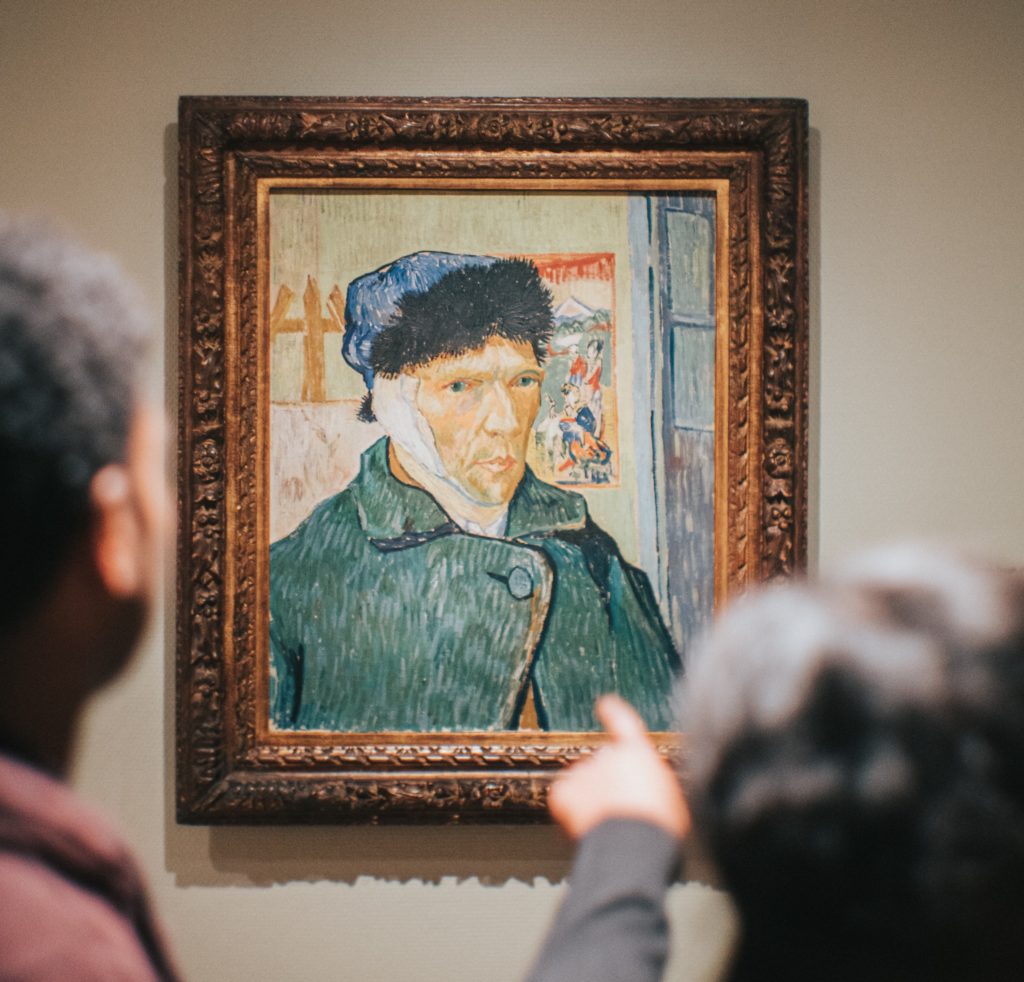
World Bipolar Day is celebrated each year on March 30 because it is the birthday of Vincent Van Gogh, the famous painter who was posthumously diagnosed as probably having had bipolar disorder.
There has been a lot of controversy about his diagnosis, but a careful review concluded that he had bipolar disorder, along with heavy alcohol use, malnutrition, alcohol withdrawal delirium, possible temporal lobe epilepsy, and more (Nolen et al., 2020).
Links to ALL the articles on this website related to bipolar disorders (screening, diagnosis, management, and resources) are available in the following Menu:
Bipolar and Related Disorders (Main Menu)
References
Blumer D. The illness of Vincent van Gogh. Am J Psychiatry. 2002 Apr;159(4):519-26. doi: 10.1176/appi.ajp.159.4.519. PMID: 11925286.
Morrant JC. The wing of madness: the illness of Vincent van Gogh. Can J Psychiatry. 1993 Sep;38(7):480-4. doi: 10.1177/070674379303800704. PMID: 8242520.
Nolen WA, van Meekeren E, Voskuil P, van Tilburg W. New vision on the mental problems of Vincent van Gogh; results from a bottom-up approach using (semi-)structured diagnostic interviews. Int J Bipolar Disord. 2020 Nov 2;8(1):30. doi: 10.1186/s40345-020-00196-z. Erratum in: Int J Bipolar Disord. 2022 Nov 14;10(1):27. doi: 10.1186/s40345-022-00273-5. PMID: 33135101; PMCID: PMC7604278.
Copyright © 2021 to 2026, Simple and Practical Medical Education, LLC. All rights reserved. The content on this website may not be reproduced in any form without express written permission.
Disclaimer: The material on this website is provided as general education for medical professionals. It is not intended for patients or other laypersons, nor is it a substitute for medical advice, diagnosis, or treatment. Patients must always consult a qualified healthcare professional regarding their diagnosis and treatment. Healthcare professionals should always check this website for the most up-to-date information.
Leave a Reply